
Many people wonder what internet speed is truly necessary for their daily routines. While advertisements often highlight high-speed options, not every household requires the same level of bandwidth. Understanding how you use the internet helps in choosing the right internet plan that balances performance, reliablity and long-term cost.
Understanding Internet Speed
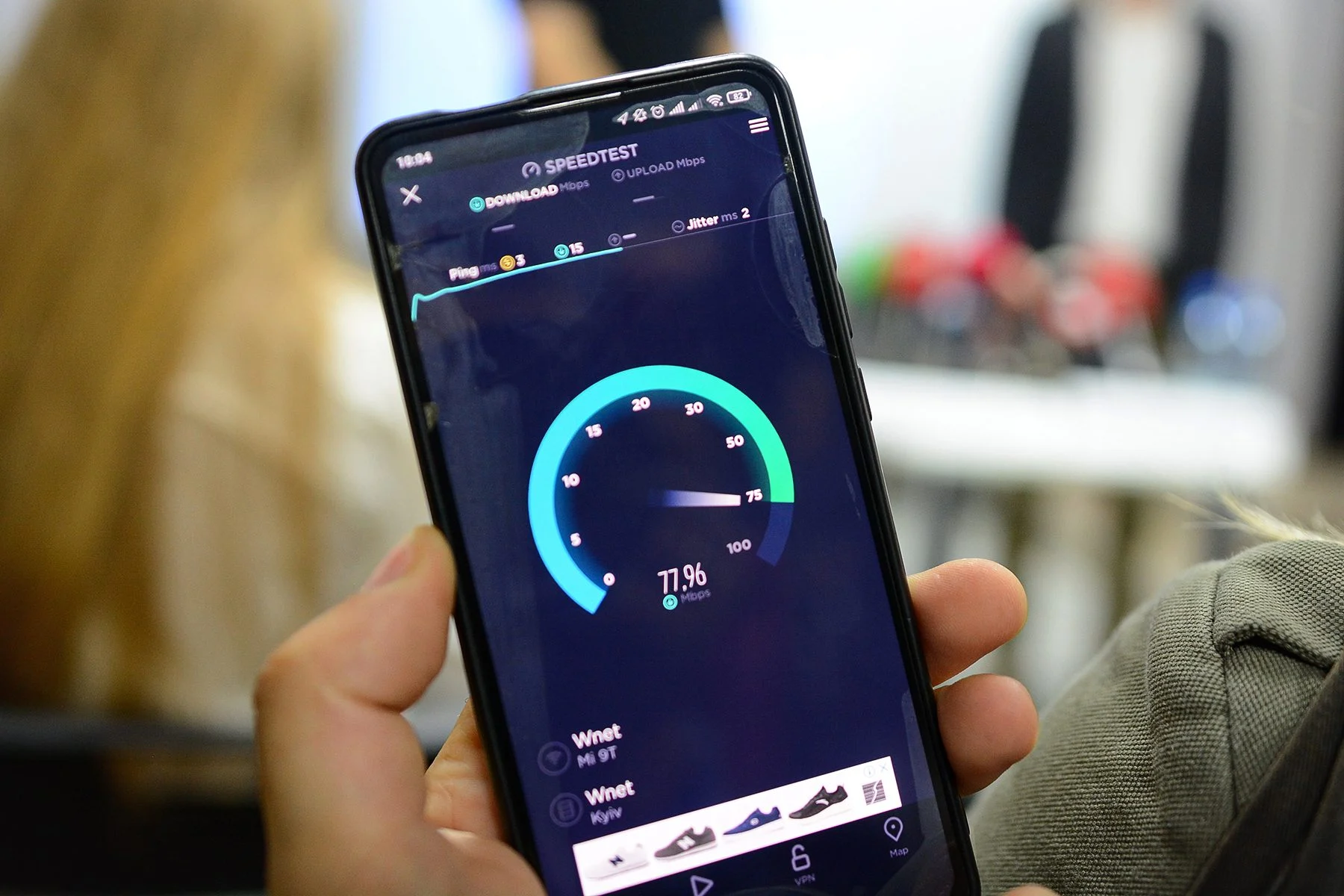
Internet speed measures how quickly data moves between your device and the network. It is typically expressed in megabits per second, known as Mbps. Download speed affects how fast you receive data, while upload speed determines how quickly you can send data, such as sharing files or video conferencing.
Evaluating Your Online Activities
Your ideal internet speed depends on how you and others in your household use the connection. Light browsing requires far less bandwidth than streaming or online gaming. Identifying your main activities helps you estimate what level of service will keep everything running smoothly.
Common Usage Categories
- Basic tasks: Email, social media, online shopping, and reading news sites generally require a stable internet connection and are not bandwidth-intensive.
- Streaming: Watching video content depends on resolution and compression, with higher quality streams requiring more bandwidth.
- Video calls: Group video meetings rely on consistent upload and download performance for clear audio and video.
- Gaming: Online gaming depends more on low latency and connection stability than raw download speed.
- Remote work: Cloud tools, file uploads, and collaboration platforms benefit from reliable upload performance and consistent connectivity.
Considering Multiple Users
Households with several connected devices often underestimate how shared activity can slow performance. Each phone, tablet, and smart TV consumes bandwidth, even when tasks run in the background. Multiply the recommended speeds for your activities by the number of frequent users to estimate the total requirement.
Download vs. Upload Balance
Many internet plans highlight download speed but overlook upload capacity. If you frequently send large files, back up photos, or participate in video calls, insufficient upload speed can cause delays or poor video quality. Balanced plans are especially important for remote workers or creative professionals.
Other Factors That Influence Speed
Beyond plan specifications, several conditions affect actual performance. Router placement, outdated hardware, and network congestion can all reduce efficiency. Wi-Fi range extenders, modern routers, or wired connections may help achieve consistent results throughout your space.
Estimating the Right Bandwidth for You
To decide on a suitable speed tier, list your typical online activities and the number of active users. Then compare these with the general Mbps guidelines. This approach prevents overpaying for unused capacity while avoiding frustration from slow connections.
Making an Informed Decision
By understanding how speed, usage, and household size interact, you can confidently select a plan that fits your lifestyle. Taking time to research and analyze your habits ensures that choosing the right internet plan results in both reliable performance and good value for money.